Wednesday, 18 July 2012

Early Anglo-Saxon period: Sutton Hoo


The discovery of the Sutton Hoo Ship Burial marked the earliest archaeological evidence of early Anglo-Saxon time in Britain.  Most people in Britain would have heard of or seen the famous Sutton Hoo helmet in the British Museum:


We read up on the helmet, and listened to the accompanying podcast.  What we learned was so fascinating that we decided to visit the actual burial site.

At Sutton Hoo, we went on two site tours: the first was a children's tour,which was shorter than the full adult tour and which also left out the grisly bits of Anglo Saxon brutality and focused more on child-friendly activities.

A few of the River Deben.
Burial Mound 2.
One of the children's activities on the tour was having the children estimate the size of the buried ship by counting the number of paces they needed to take from one place to another.


We learned a whole load more from the adult tour led by a working archaeologist, as it went into details about Anglo Saxon life, especially their burial methods, as derived from archaeological evidence gathered from the site.  For example, we saw many recovered burial locations, making Sutton Hoo essentially an enormous burial ground:


One of the unusual and significant burial sites is shown below, of two burial holes laid side-by-side, of a young warrior and his horse (both suspected to have died together in battle):


The archaeologists left the "body" of an Anglo Saxon man in the position he was found in, and explained to us (through pointing out the body position, wounds to the body) how that man had probably been an outcast or criminal condemned to death and thrown into a shallow pit after a particularly gruesome execution:


The following clip gives a good summary of the site and is a snippet of the site tour that we went on:


A Saxon encampment was on site to demonstrate day-to-day life, tools, weapons, and warfare:


Tiger took part in a children's warrior training session where the children were taught important warrior techniques such as how to hold their swords and shields, how to charge at their enemy, and how to maintain a shield wall.


When they were ready, all the warriors put their skills to go use by raiding the....


tea shop!  My young Saxon raider came back with a fairy cake.  Not bad for a first-time raider!


We then spent a good few hours in the exhibition hall, which I thought was superb.  Among the exhibits of gold coins, treasures, Saxon costumes, Saxon life and customs, the most amazing one was a recreation of the Raedwald's burial chamber:


Some examples from the amazing exhibition:


The discovery of Raedwald's burial goods changed people's view of the Anglo-Saxons being a barbaric tribe.


The intricacies of their jewellery and ornaments showed superior craftsmanship and much influence from Scandinavia, perhaps through trading with the Scandianvians in what we believe to be a more peaceful time as compared to the numerous conflicts with the Vikings 200 years later. The beauty and complexity of the Saxon treasures we saw at Sutton Hoo made us want to learn more about their art and culture, so we watched the following to get a better idea:

Thursday, 12 July 2012

Summer plans


Where has the academic year gone?  Time has just whizzed by and it's summer already!

Tiger's summer looks to be a busy one.... with going over some familiar areas (clay work, woodwork, drumming) as well as venturing new grounds (film/animation, theatre work).  Of course, no self-respecting soon-to-be-8-years-old English boy would spend summer without getting involved in some sort of sports (karate, trampolining, archery, football, tennis, badminton).

When we are not running around outside, I hope we'll spend some time on academic work, just to keep the momentum going so that nobody gets a big shock when it is time to start Year 3, but I anticipate Tiger will spend most of his unscheduled time this summer just playing outdoor, and being with family.

Tiger in his 'den'.
As for me, I'll be spending this summer to...
1) paint and draw;
2) think about and plan for Year 3; and
3) brush up on my domesticity with these books:


This post is linked up to several blog hops, where you can see what other homeschoolers have been busy with.  It is also linked to the All Year Round Blog Carnival - Summer edition and Fun in the Sun Link Up party.

Wednesday, 11 July 2012

Art class: Complementary colours part 2

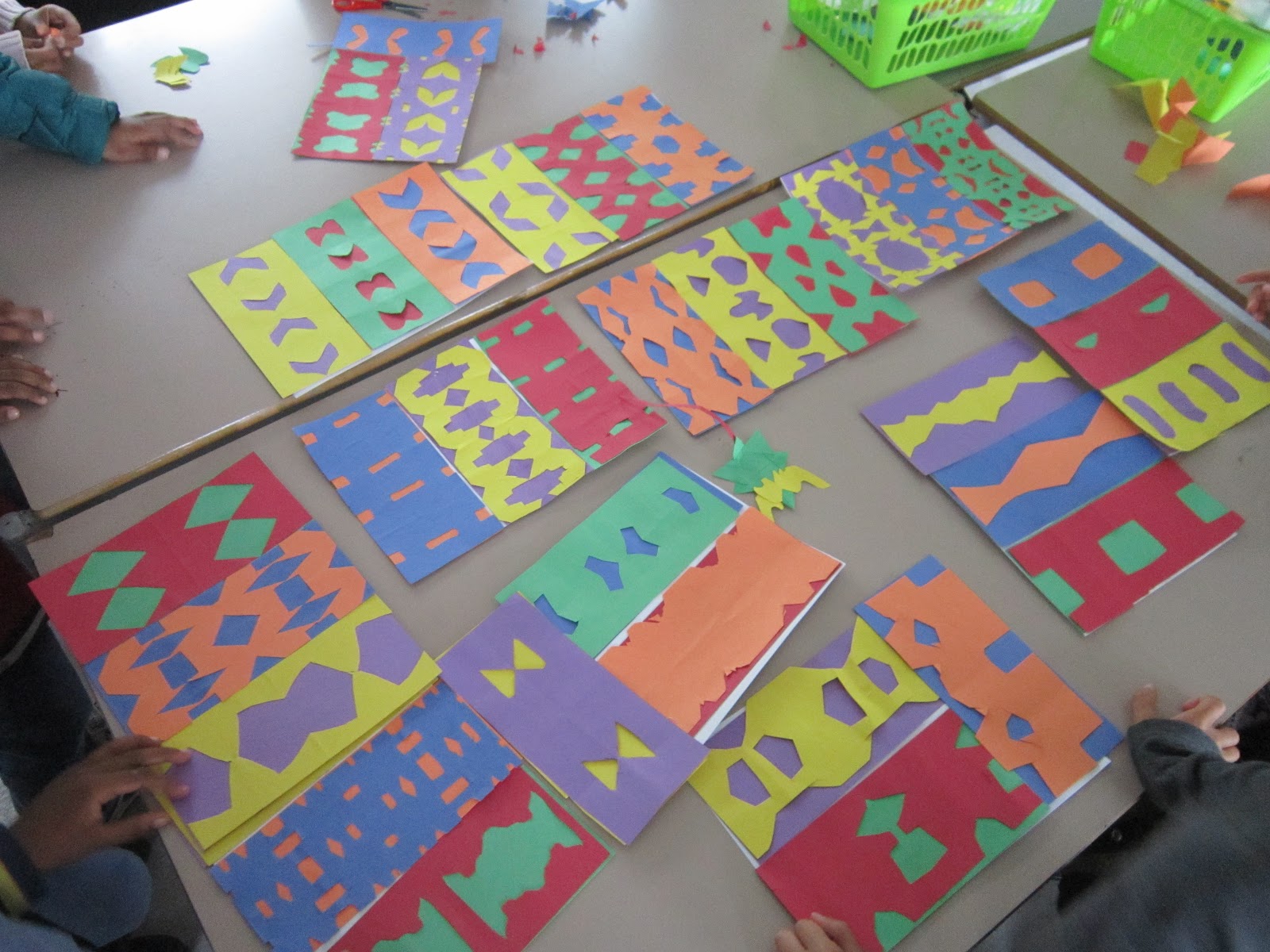
Following from the previous week's introduction to complementary colours, this week the children learned the different effects of: (1) placing complementary colours side-by-side, and (2) mixing complementary colours together.


The first concept of simultaneous contrast was easily demonstrated by putting two complementary coloured pieces of paper (e.g. red and green) side by side.  The second concept (which causes dullness to one colour) was shown by mixing a little red into green.


Since the second concept of dullness did not appeal to the children very much, I had them do a cut-and-paste project to illustrate the first concept of simultaneous contrast that produced bright and colourful results.


This class concludes our unit on colour.  I received favourable feedback from the mothers, which has certainly been very encouraging:

"Sharon* is very enthusiastic about your art classes, she has just asked me what we are going to do tomorrow, which medium, what to bring..."
-- Sara*

"I would like to convey our appreciation from myself and other mothers who are really impressed with your teaching.  Thank you so much. All the children really look forward to art. Your passion and deep interest and knowledge come across to them and you inspire them.  We are very fortunate to have you teaching the kids."
-- Zoe*

"Sarah* is most definitely enjoying the art classes...since starting your art class she is much more enthusiastic and will happily sit down independently to do something creative.... credit to you as their teacher as it shows the children are defintely taking in the theory side of things and it also shows the planning that has gone into these sessions as well as to how structured the lessons actually are...Thank you very much for your time, effort, hard work and patience with our children."
-- Alice*

"Great class. John* loved it and he was very proud of his pictures today.  Thanks so much!  He draws everyday now, eversince he started taking your class.  He wouldn't do any art previously because someone had told him that he drew like a baby."
-- Jenny*

* names have been changed to protect the privacy of the individuals.

While it has been a positive experience working with the children and introducing them to art, I am taking a short break for a few weeks to review whether to continue with the responsibility.  Teaching a whole class of children takes much planning with regards to lessons and materials, which inevitably means I have even less of the little bit of 'free time' left for my family and for myself.  Even though it has been wonderful to be able to serve others and to have received positive acknowledgement for my effort, it is also important to take care of the needs of my family and myself.


This post is linked up to several blog hops, where you can see what other homeschoolers have been busy with.

Sunday, 8 July 2012

In the footsteps of the Northmen

We had studied the Vikings before, last year specifically, as part of our British History, but this year as the topic is covered in SOTW2 again, we are revisiting a familiar topic with slight variation to how we are learning about it.

To re-familiarise ourselves with the Vikings, Tiger read the following books:


and watched the documentary:


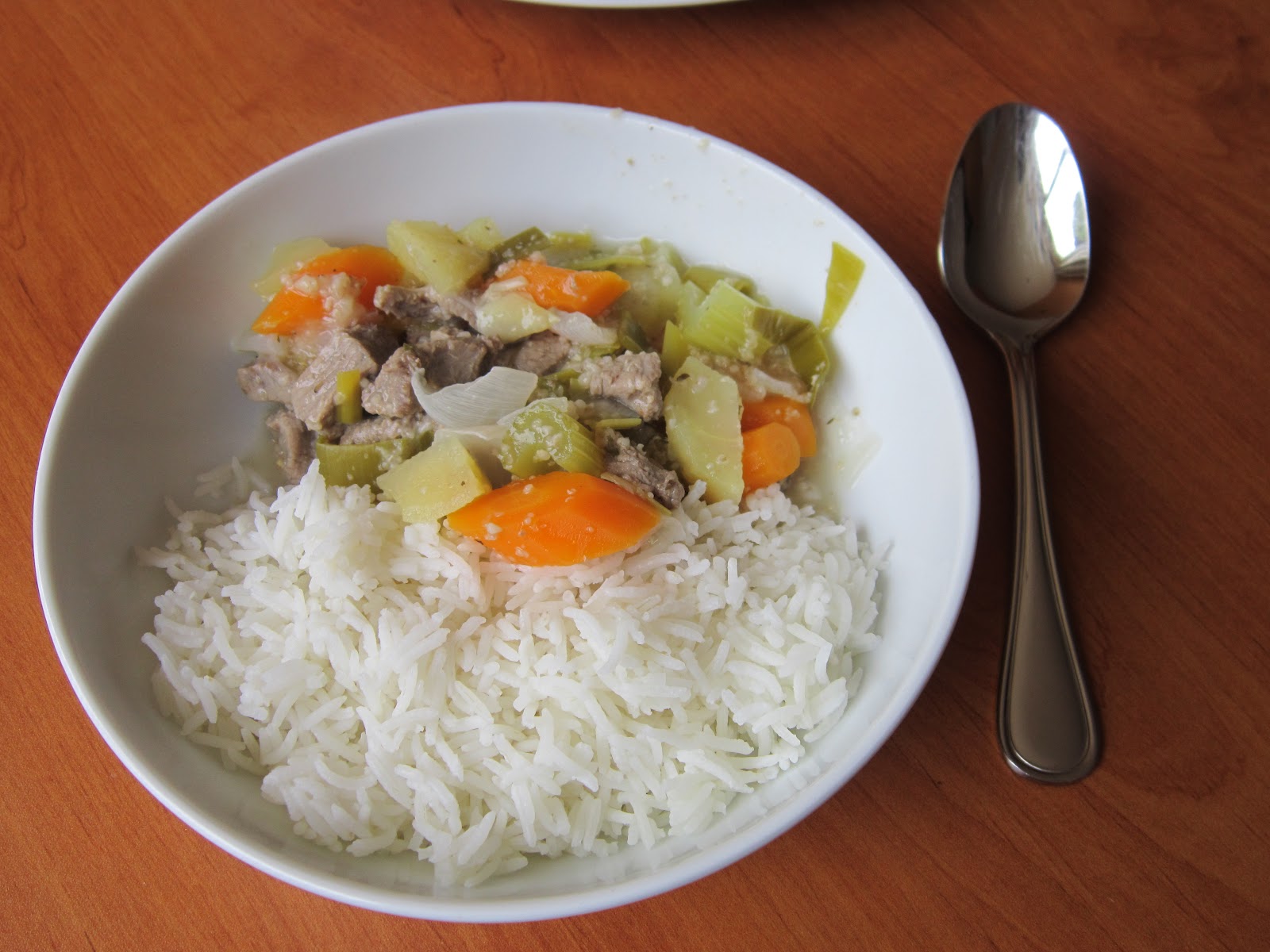
I made a "Viking stew", which was basically a thick vegetable stew, based on recipe found in the following book, but the boys thought it was too plain and uninteresting for them.


We then looked at what the British Museum had to offer in terms of information and collection on the Vikings, and found the Lewis Chessmen to be a fascinating item, so we decided to head down there to have a look at the actual chess set for ourselves:


While we were there, we attended a Viking demonstration by two reenactors who showed us various recreated Viking equipments and their uses, as well as clarifying a few popular myths about the Vikings, one of which was the the Viking helmets did not have horns attached to their sides.


We also attended an illustration workshop where we saw another demonstration, this time by an illustrator, who showed us how he drew a comic version of the chessmen:


The head of a longboat in the gallery sparked Tiger's interest to find out more about Viking Longboats.


We looked around the internet and found the following documentary to be quite interesting, as it also related to a very famous Viking battle that took place in England -- The Battle of Maldon:


We were able to get to the actual battle site in Maldon and spent a good few hours touring the site with a few local experts who told us fascinating stories about Vikings in general, the motivation of the Vikings to explore, disagreements amongst historians about the outcome of the battle.


We even walked along the coastway that the Vikings had crossed!


This post is linked up to several blog hops, where you can see what other homeschoolers have been busy with.

Thursday, 5 July 2012

Art class: Complementary colours part 1

Our study of colour is getting a little harder now, as we move into the area of complementary colours.  I started with a revision of the colour wheel of primary and secondary colours.  Having the colour wheel visible on the whiteboard was very useful in the class to help the children relate to what we were to study in the class in terms of complementary colours being opposites of each other.


Rather than have the children memorise the relationships between the colours, I let them experience the colour relationships for themselves by using coloured cellophane sheets.  I used the primary coloured sheets, one at a time, to let them see the respective complementary colours for themselves -- by first focusing their gaze on the middle of the paper, then seeing for themselves the afterimage when the paper was removed.  It was a wonder to see their faces lit up when they saw the 'magic' of the afterimage appearing.

Once the concept was understood, the children were set the task of drawing a picture in the opposite colours of what they would normally use.


This was a challenge for most of the girls in the class.  I do not fully understand the reason for their struggle, but my speculation is that perhaps the girls found it difficult to fill in colours that they perceived to the "wrong".  Regardless of their initial struggle, everyone in class eventually settled down to complete the exercise in earnest, producing vibrant and unique pieces of work.


This post is linked up to several blog hops, where you can see what other homeschoolers have been busy with.
Related Posts Plugin for WordPress, Blogger...